Compositions
“Music is a living organism: I believe that in our era right now, we should strive to take music out of the confines of its era.” —Nikka Gershman
Solos & Duets
-
![]()
When We Used to Dance
When We Used to Dance was created to showcase the virtuosity and range of the flute, from the operatic introduction to the vivacious waltz section, which includes a surprise jazz swing in the accompaniment. It was premiered at Merkin Hall, Kaufman Music Center, with Vivian Fan on piano.
-
![]()
Atonement Sonata
Written for either Flute/Piano or Cello/Piano, the work is designed to blend neo-Romantic lyricism with experimental harmonies. The names of the movements are derived from the Judeo-Christian steps of repentance: Contritio cordis (contrition of the heart), Confessio oris (oral confession), and Satisfactio operis (satisfaction of deeds). Repentance is a common thread among various religions and secular folklore – the composer hopes that both listeners and performers would meditate on these concepts while engaging with the music.
Clip from premiere of second movement at Lincoln Center | World premiere in its entirety at Zankel Hall at Carnegie Hall
-
![]()
Tempest
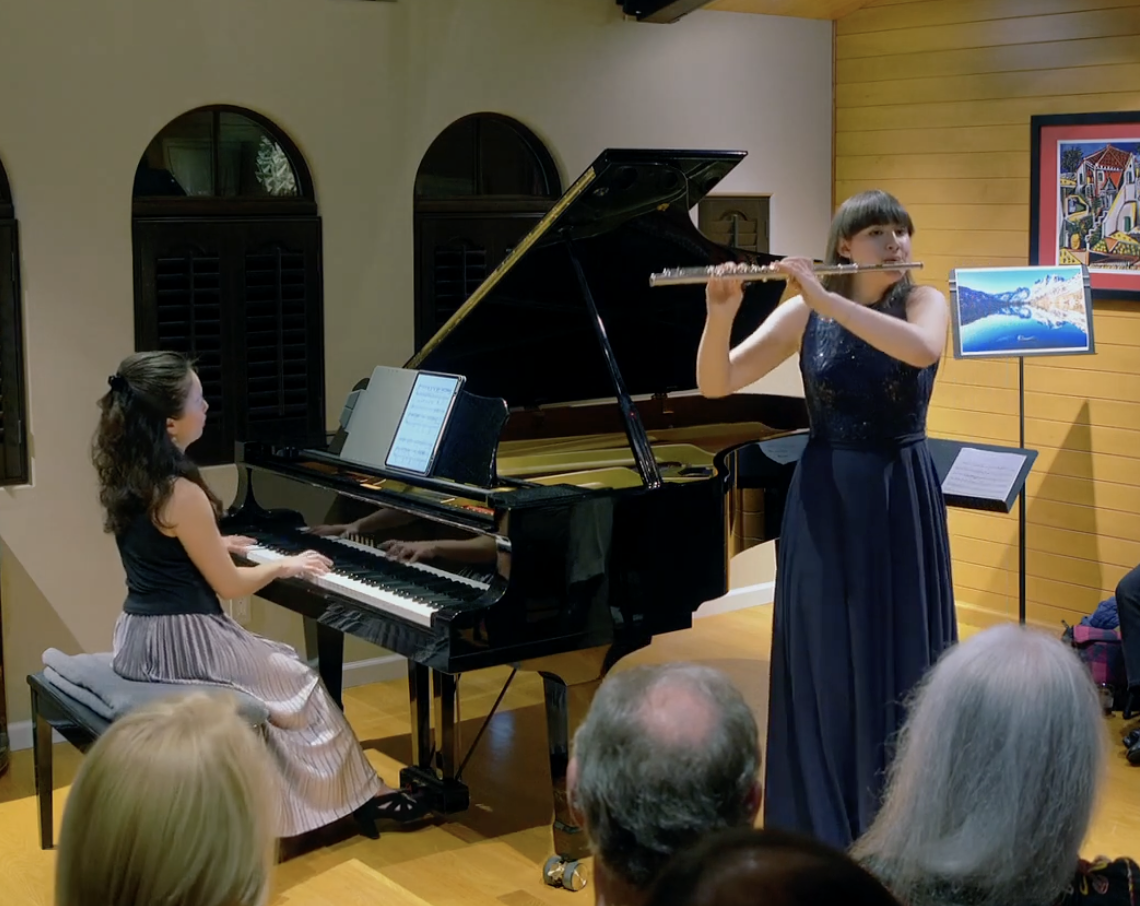
Nikka Gershman’s composition Tempest was premiered as an encore at her recital, The Virtuoso Flute (Mason House Concert Series). Originally for flute and string orchestra, Gershman adapted it for a flute/piano duet and performed it with Vivian Fan.
-
![]()
Solitude
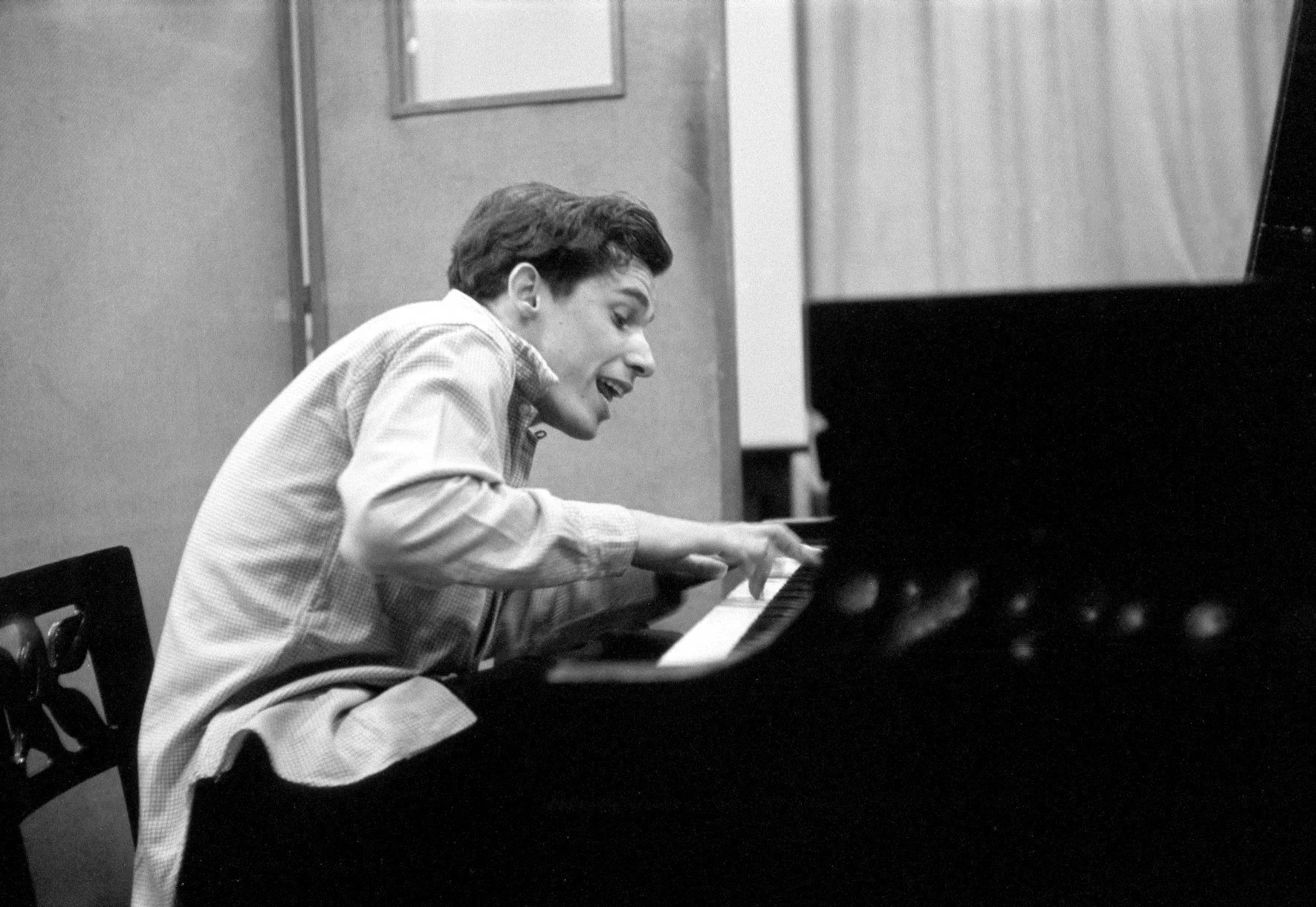
Composed by Nikka Gershman in 2020 (at 12 years old) and dedicated to Glenn Gould for his 88th birthday.
-
![]()
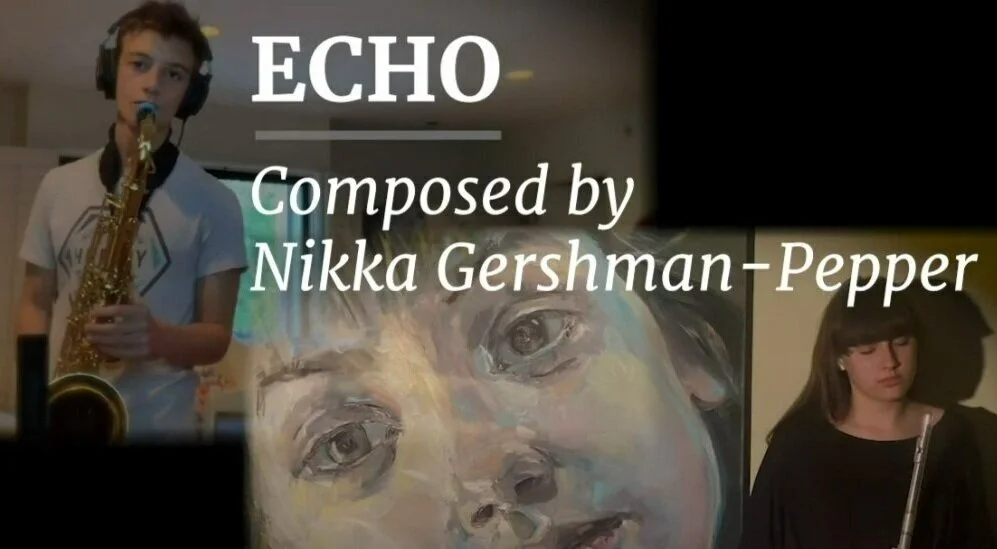
Echo
This project was composed during the pandemic in isolation by 12-year-old Nikka Gershman and recorded by Dillon Ring, saxophone and Nikka Gershman, flute.

Orchestra
-
![]()
Ansiktet
Ansiktet for flute and orchestra, translated to “The Face”, is inspired by the Aaronic Blessing found in Numbers 6:25: “The Lord make his face shine on you and be gracious to you”.
World premiere on April 4th, 2027, at the Wilshire Ebell Theatre in Los Angeles. Noreen Green, conductor; Nikka Gershman, flute soloist.
-
![]()
The Tears of Winter
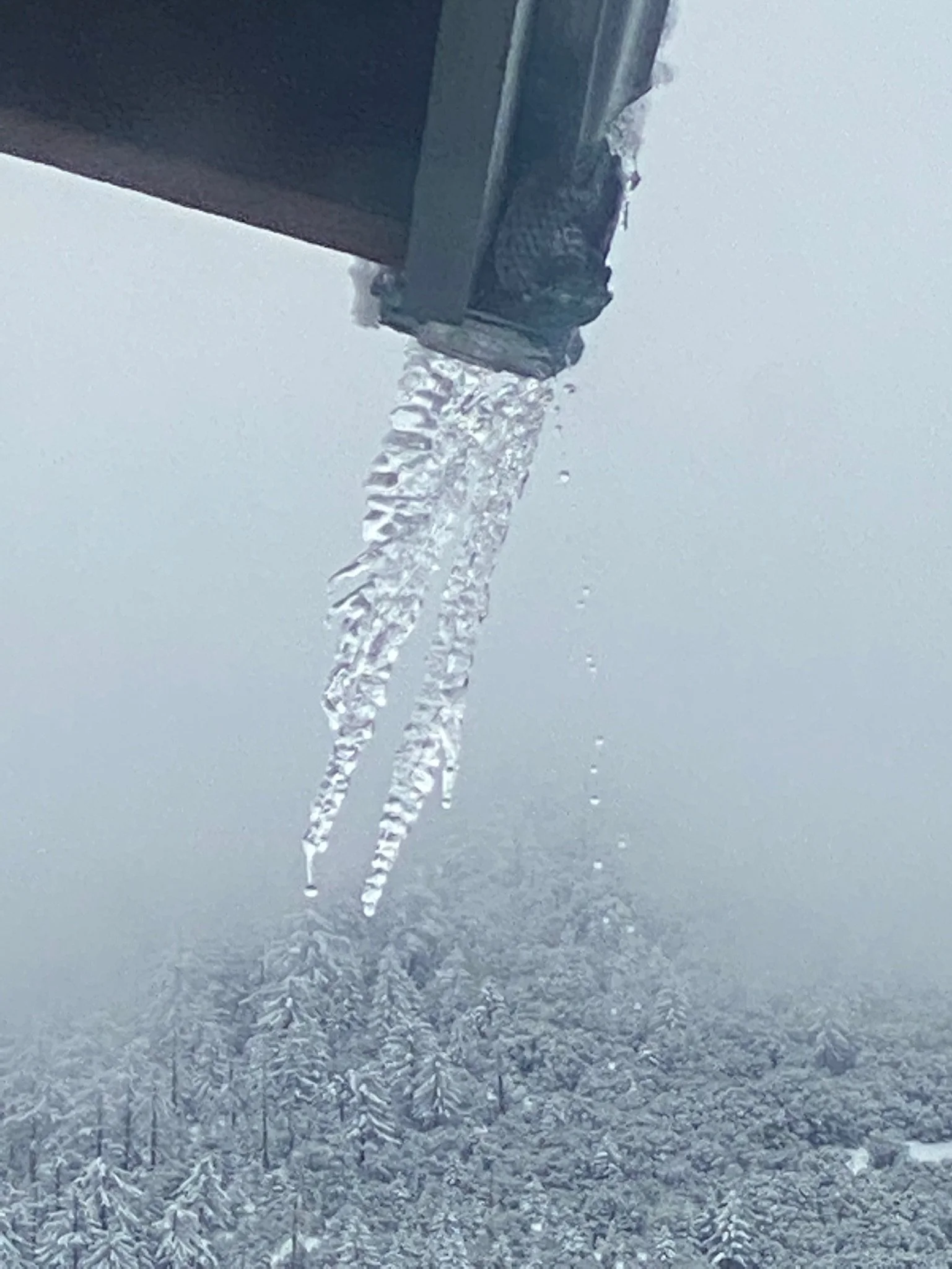
The Tears of Winter was inspired by the frozen imagery of winter: the slow drip of melting icicles, the stillness that follows a snowfall, and vast blankets of white stretching into the skyline. The work builds upon a melodic tune, like a bare silhouette of a solitary tree standing against the snow. The piercing voice of the piccolo creates a dialogue, its higher register acting as a distant, ghostly echo of the melody below, recalling glimmers of light reflecting from ice. Like an endless snowy horizon, the music lingers on familiar shapes, revealing new colors and textures with each return until the landscape itself becomes the musical experience.
-
![]()
Through a Glass Darkly
Gershman’s composition Through a Glass Darkly explores the dichotomy of despair and hope. It is dedicated to all those who suffer, with the aspiration that it shows that they are not alone and music can be healing. The title originates from the concept that despite a murky lens, there is always light shining from behind.
-
![]()
Valse Infernale
Nikka Gershman’s Valse Infernale for orchestra earned the 1st Prize at the Pacific Musical Society & Foundation Composition Competition. The Foundation is the oldest active musical organization in the San Francisco Bay Area, and it has nurtured the growth and careers of many young classical musicians, with former winners including musical luminaries such as Yehudi Menuhin. It was judged by the Grammy-award winning composer Mason Bates.
-
![]()
Memory
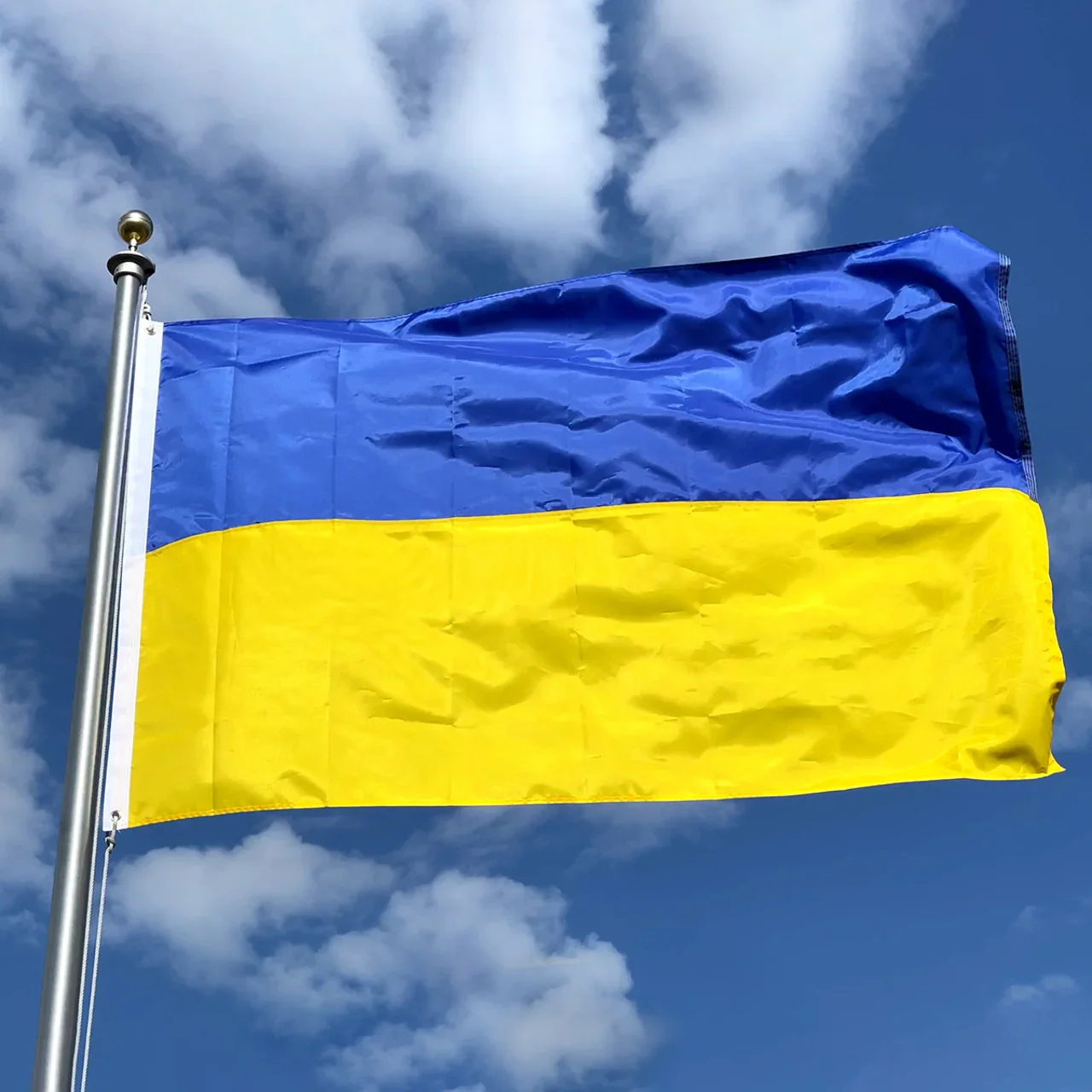
Composed in 2022 after the outbreak of the Ukrainian War, Gershman paid tribute to her heritage by dedicating Memory for flute and orchestra to the victims of this tragedy.
-
![]()
Respiro
Respiro or breath is a vital function, it is what the wind instrument is filled with to come alive or resonate with sound. In order to “sing”, the flute literally takes the breath away from the flutist, magically it morphs the ephemeral breath into palpable substance of notes. In this way the listener “breathes” in the music and becomes one with the performer, composition, space, and the instrument all at once. Nikka Gershman’s Respiro premiered on Sunday, August 22, 2021, by the LA Jewish Symphony.

Vocal
-
![]()
Crickets and Freeways
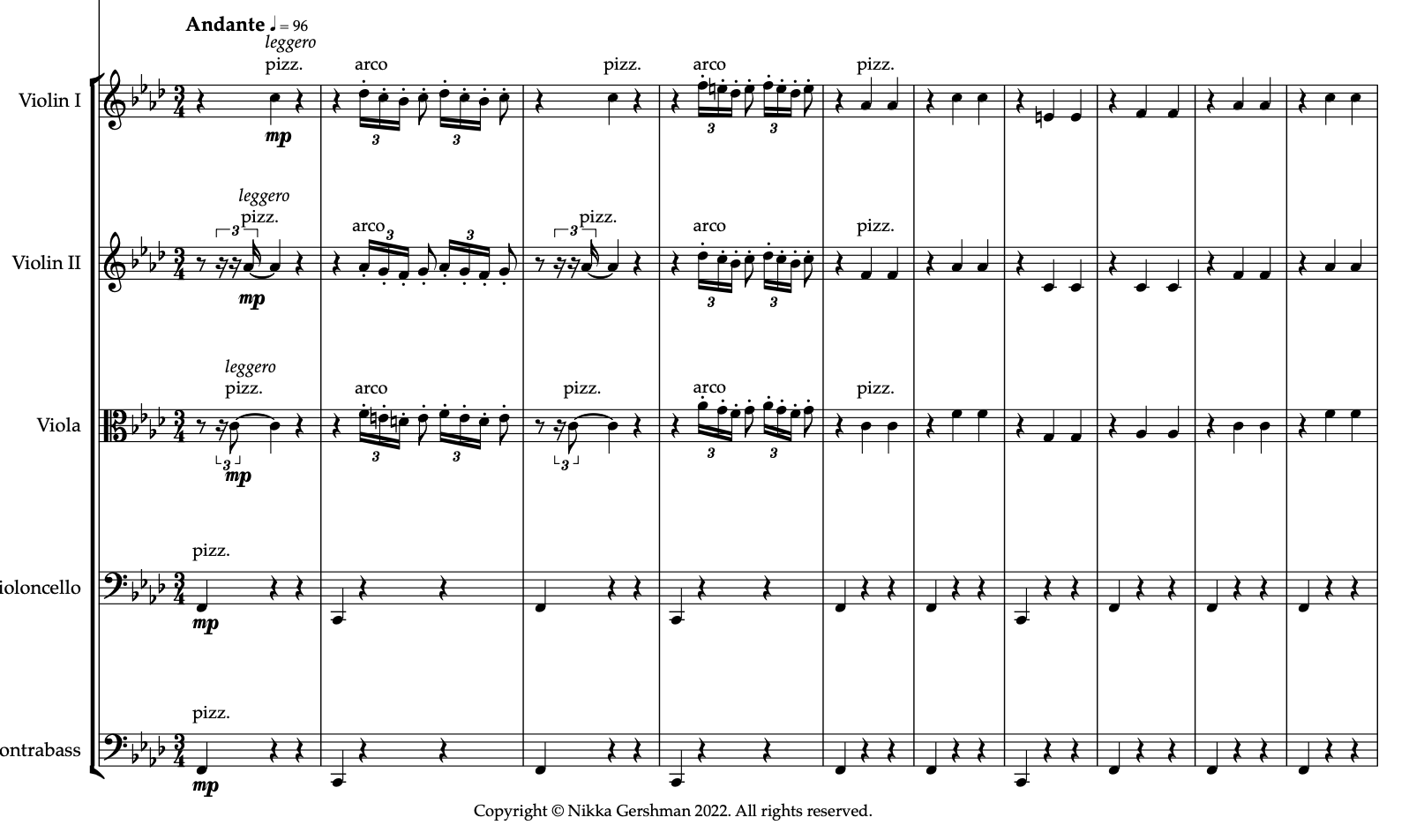
Juilliard jazz soprano Kate Kortum brings Nikka Gershman’s original music and lyrics to life in the official release of Crickets and Freeways. This song features violinists Vibha Janakiraman and Eliza Hart, violist Pearl de la Motte, cellist Ari Peraza-Webb, and double bassist Anders Ruiter Feenstra.
-
![]()
Valse Frollo
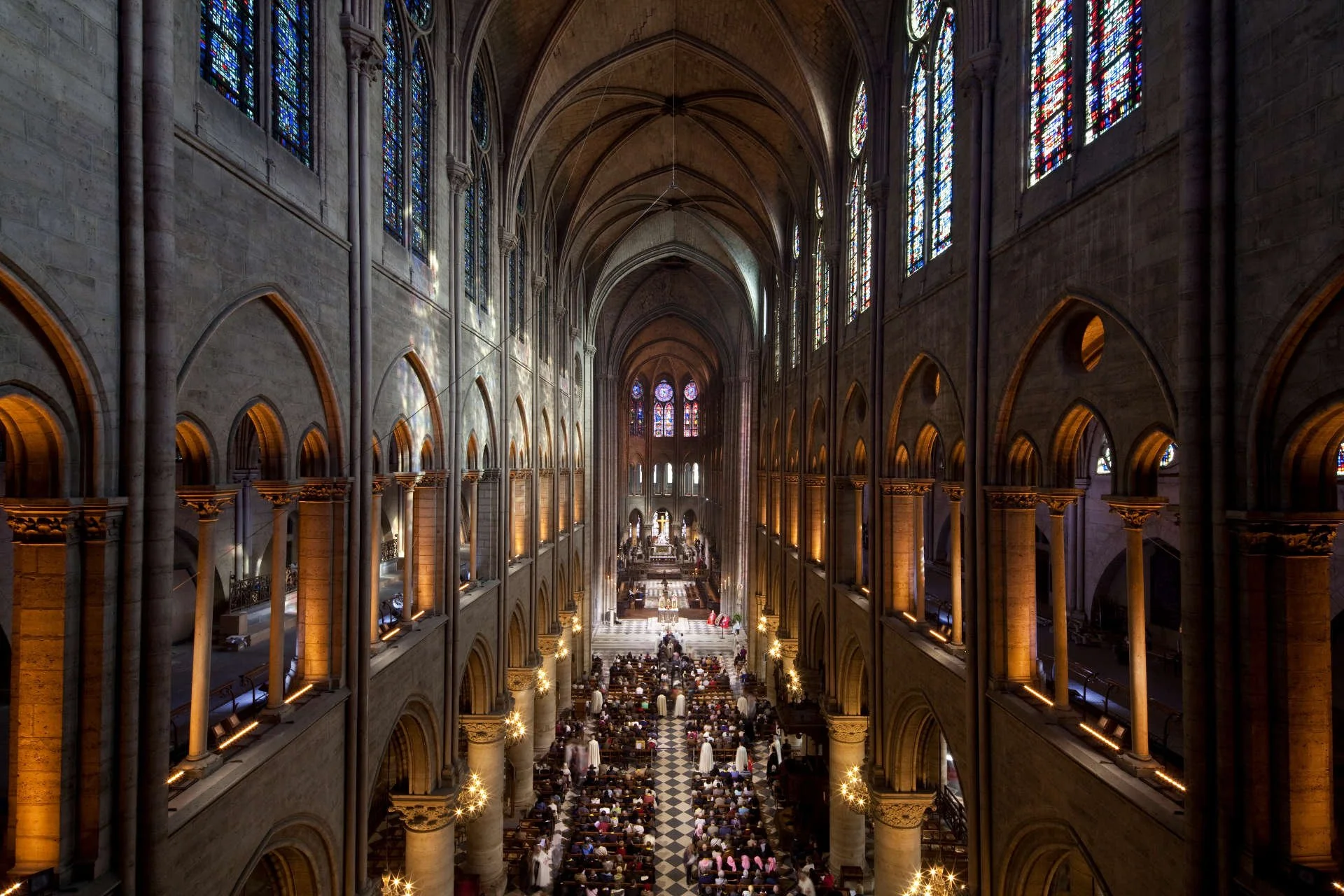
Composed for Solo Countertenor, SATB chorus, and string orchestra, the text of Valse Frollo originates from the Latin Dies Irae mass, as well as Gershman’s Latin translations of quotes from Victor Hugo’s The Hunchback of Notre-Dame.
-
![]()
What If
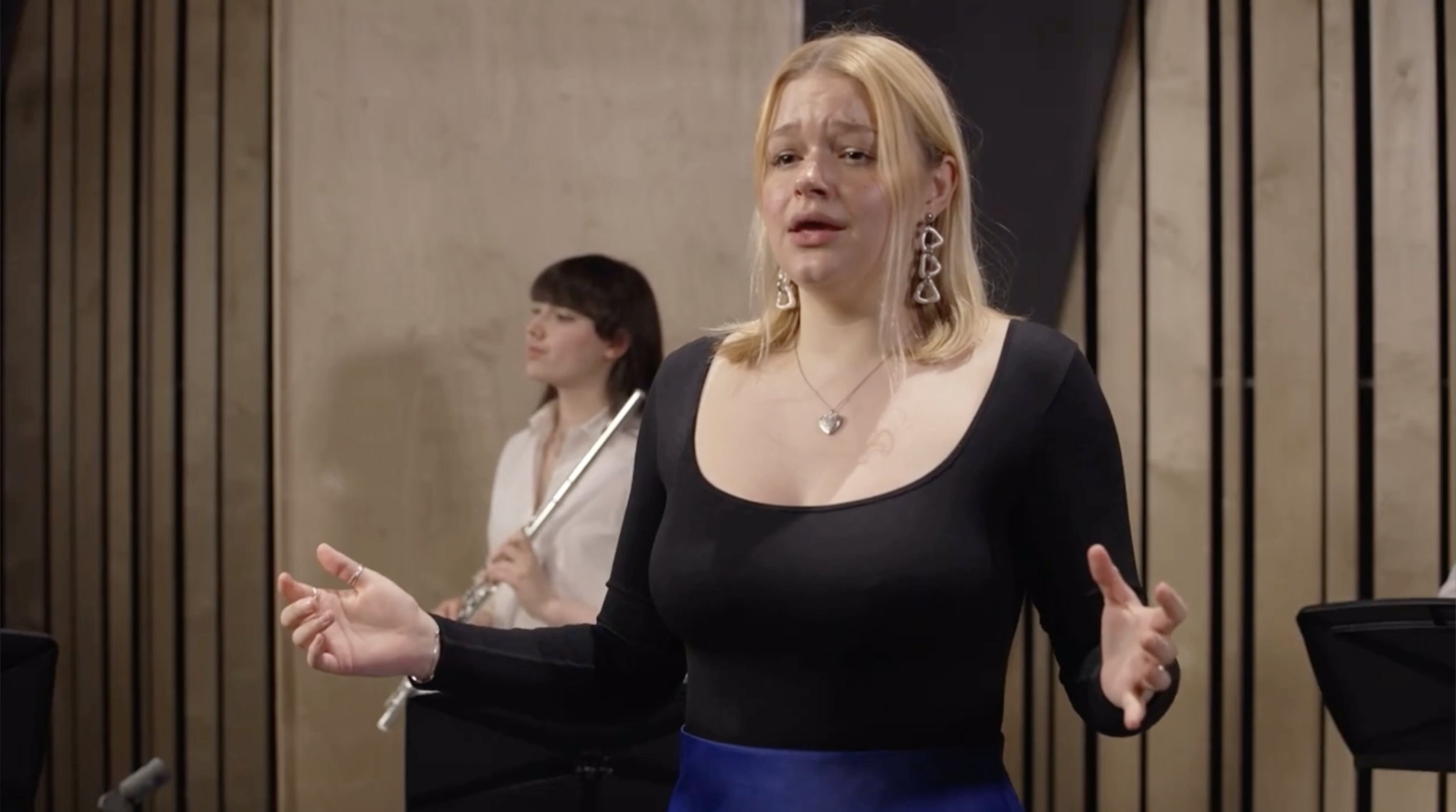
What If, with original music and lyrics by Nikka Gershman, fuses classical opera and the modern sound of jazz. Gershman performed the hauntingly romantic melody on piano, accompanying Juilliard’s outstanding soprano Kate Kortum and tenor Bryan Corral. What If is filled with vivid imagery of yearning for a moment of love, with the overarching theme of nature both accompanying and separating two lovers.
-
![]()
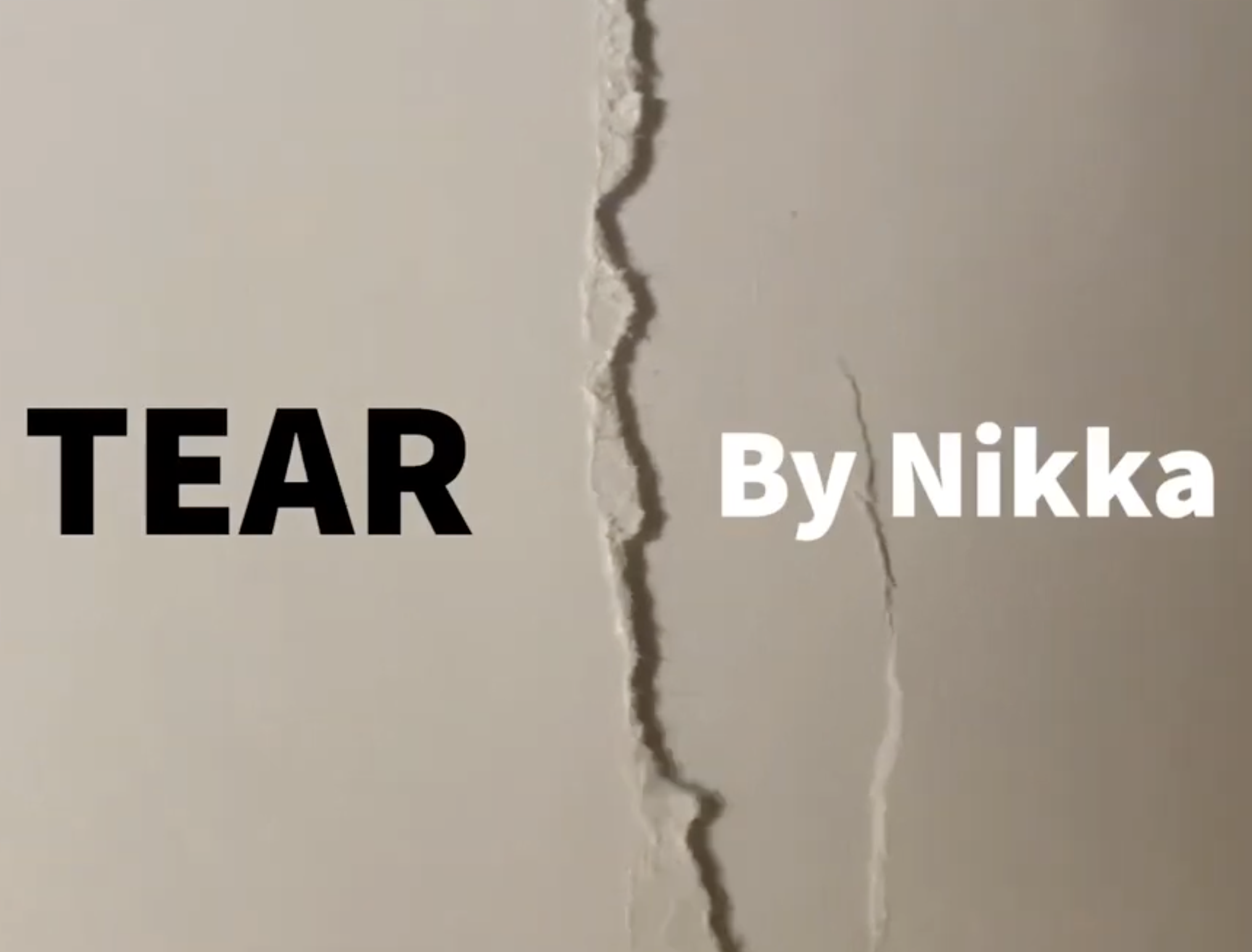
Tear
A short animated film by Nikka Gershman; musical score “Ode to Dark” by Nikka Gershman.
Chamber Music
-
![]()
Sospiro
Composed for the Orion’s Bow Trio, Sospiro is a musical sigh: the instruments breathe together through appoggiaturas and expressive, endless melodies.
-
![]()
Three Voices / Choreography Subject 1
Watch Nikka Gershman’s composition Three Voices masterfully choreographed by Tyler Duncan (Juilliard Dance ‘27) for the Juilliard Dance Workshop, performed by Nikka Gershman (flute), Dovie Lepore-Currin (piano), and Sydney Jenkins (viola). It flows seamlessly into Gershman’s arrangement of Schnittke’s Polka. Featuring dancers Georgia Greene, Joshua Armstrong, Freddy Harner-Rondon, Quinn Kuch, and Ryan Sherk.
-
![]()
Three Voices
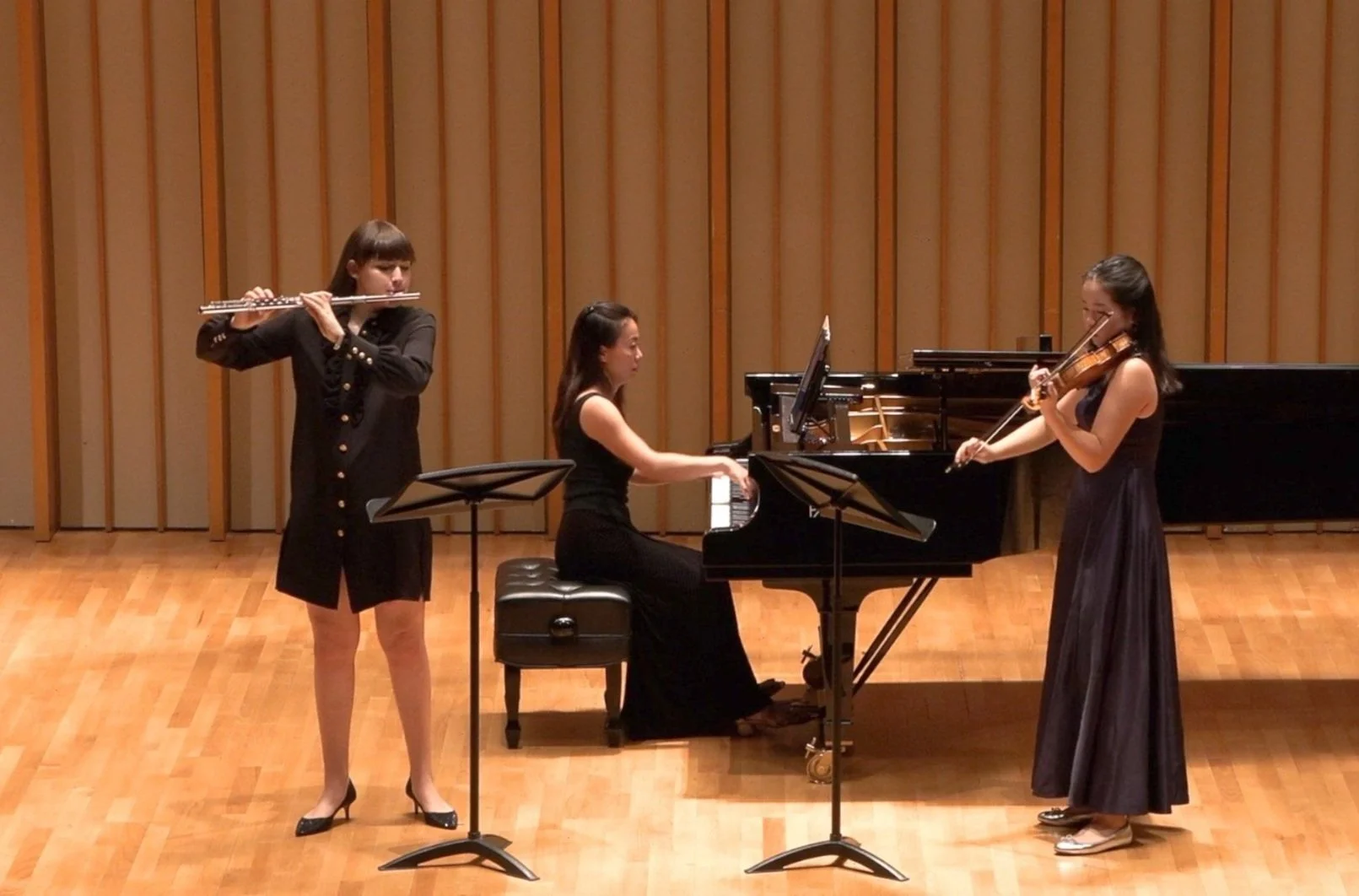
The flute, violin, and piano are featured with their unique melodies in this trio by Nikka Gershman. Written in the style of a romance, the waltz-like meter gives it an effect of both singing and dancing. Performed by Nikka Gershman, Sophie Leung, and Vivian Fan at Zipper Hall, Colburn Music Academy.
-
![]()
Une Histoire
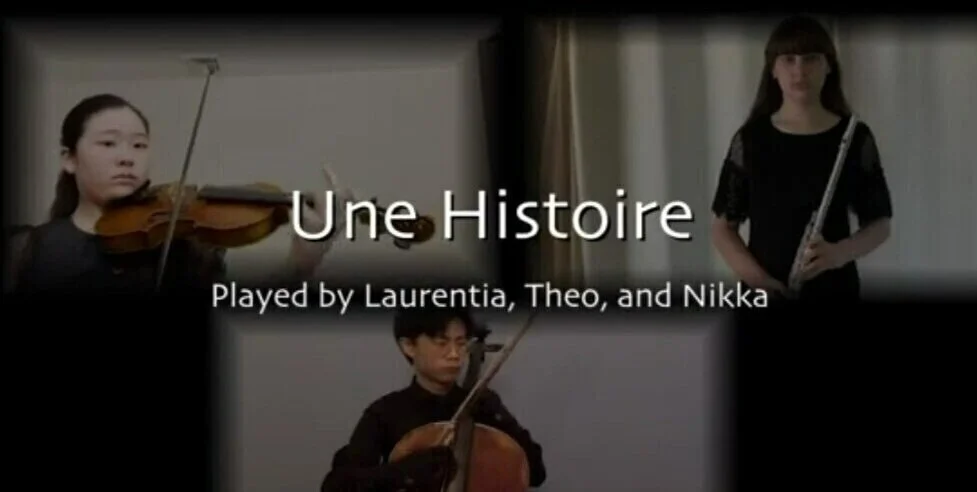
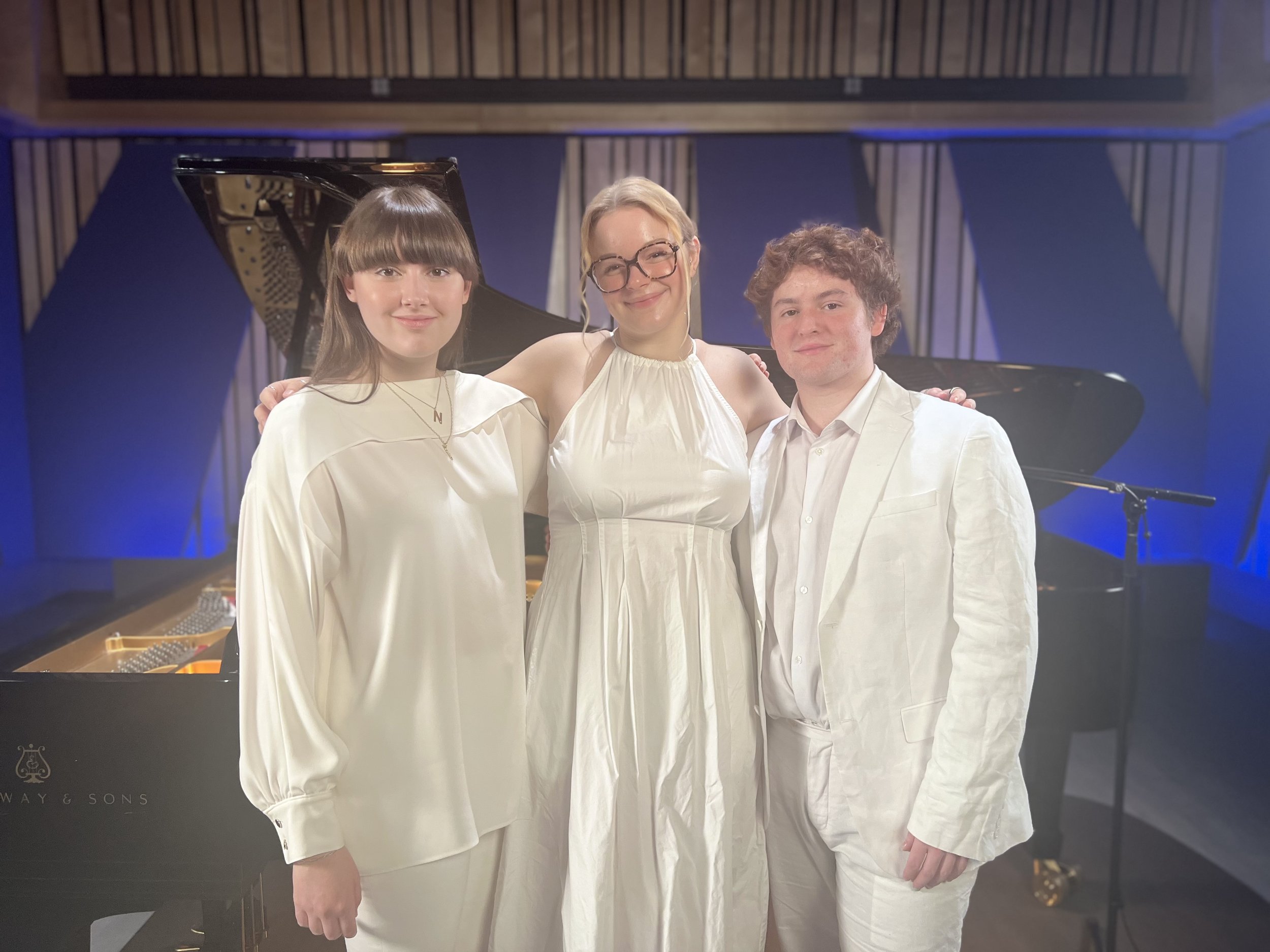
Composed by Nikka Gershman (at 12 years old) and performed by Laurentia, Theo, and Nikka for the Harvard Westlake School during the 2020 isolation caused by the pandemic.